
This article is written by Vista Furniture Co., a sourcing and export consultancy that connects global retailers and brands with high-quality furniture manufacturers in Brazil.
Over the past years, working closely with international buyers, one pattern has become clear: most furniture import projects fail not because of lack of demand, but because of execution.
Brazil offers a compelling opportunity. The country combines industrial capacity, design culture, and competitive positioning in key categories. According to ABIMÓVEL, Brazil has one of the largest furniture industries in the Western Hemisphere, with strong regional production clusters.
Yet entering this market without a structured approach often leads to costly mistakes.
In this article, we break down the 7 most common reasons furniture imports fail and how to avoid them when sourcing from Brazil.
1. Choosing the Wrong Supplier
The problem
One of the most common mistakes is assuming that all manufacturers are interchangeable.
Factories differ significantly in production capacity, export experience, and technical capability.
Brazil’s furniture industry is highly regionalized. According to SEBRAE – Panorama do setor moveleiro, production is concentrated in clusters such as Rio Grande do Sul and Santa Catarina, each with distinct specializations.
What goes wrong
- Inconsistent quality
- Production delays
- Misalignment in specifications
How to get it right
- Match supplier to product category
- Evaluate export experience
- Understand regional specialization
Supplier selection is not about who can produce. It is about who can deliver consistently at scale.
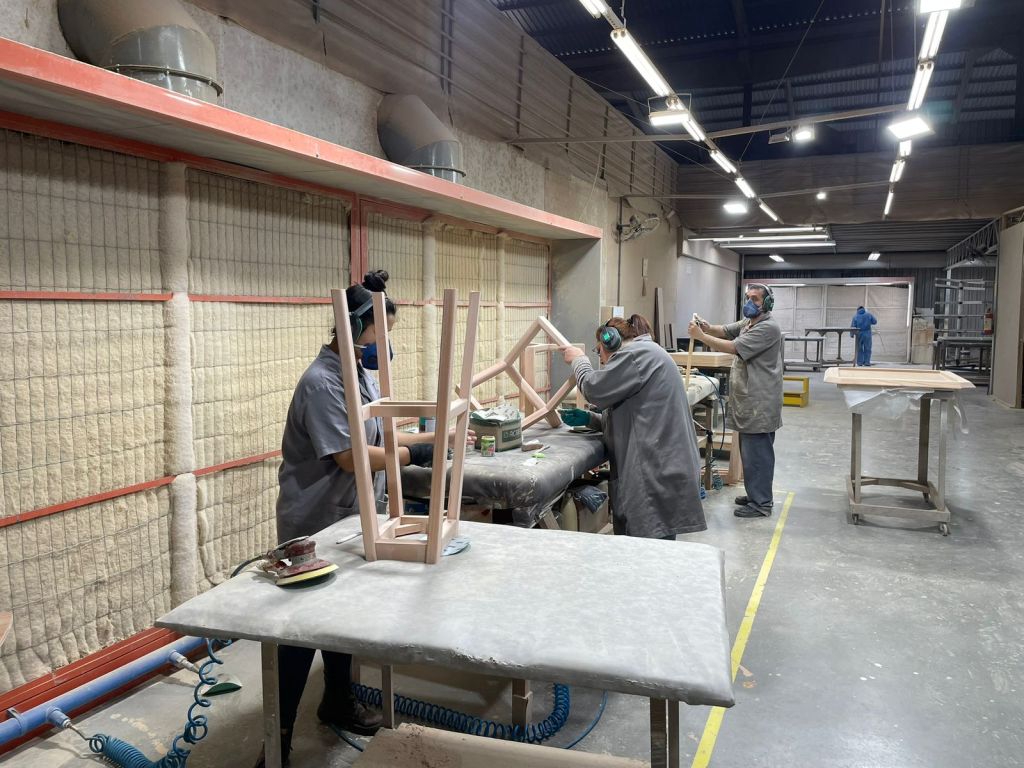
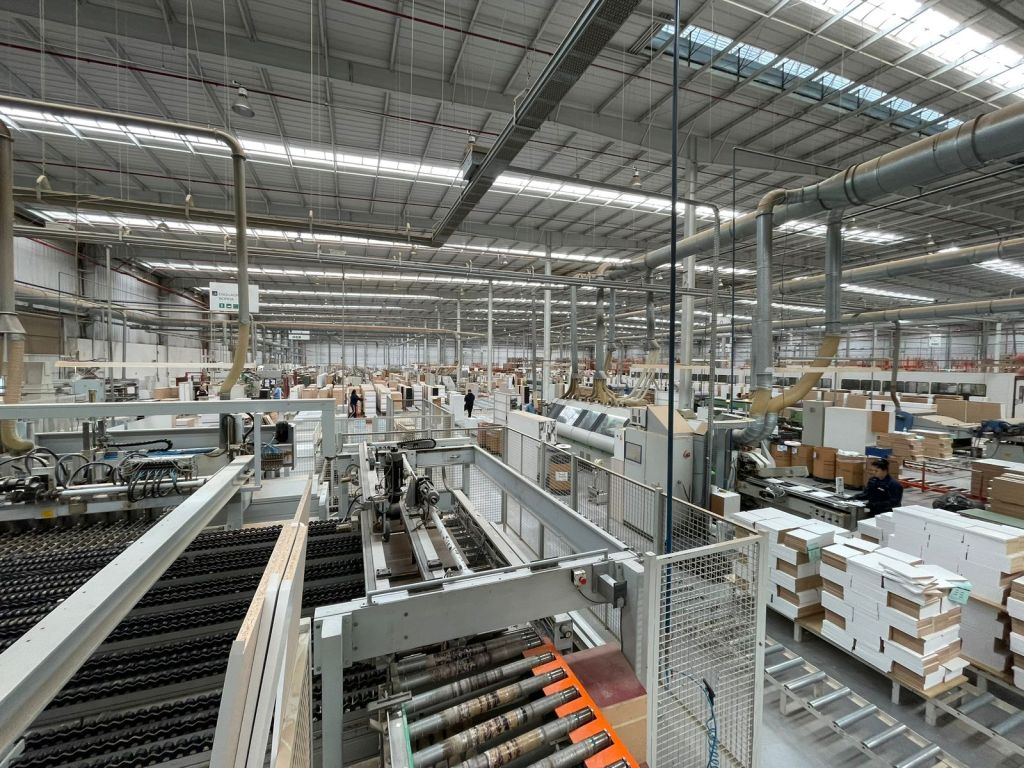
Not all factories are built to scale. Large, organized production environments like this are essential for retailers that require consistency, volume, and reliability across multiple production cycles.
2. Ignoring Export Readiness
The problem
Many buyers assume that once a product is manufactured, it is ready for export.
In reality, export readiness involves compliance, labeling, testing, and documentation.
What goes wrong
- Products fail regulatory requirements
- Incorrect labeling
- Missing certifications
For example, products entering the United States must comply with standards enforced by the U.S. Consumer Product Safety Commission (CPSC), including flammability requirements such as California TB117-2013.
In Europe, products may require CE marking under rules defined by the European Commission – CE Marking.
How to get it right
- Integrate compliance early in development
- Align documentation before production
- Adapt products to destination markets
Export readiness is not a final step. It is part of product design.
3. Poor Packaging Engineering
The problem
Packaging is one of the most underestimated aspects of furniture sourcing.
Products often fail not because of manufacturing defects, but because of inadequate packaging.
What goes wrong
- High damage rates
- Returns and refunds
- Negative customer experience
Packaging must follow internationally recognized standards. Organizations such as the International Safe Transit Association (ISTA) define protocols for testing packaging under real transport conditions.
Additionally, standards like ISO 780 – Handling instructions for packaging and ISO 2234 – Stacking tests for packagesdefine how products should be protected and tested during logistics.
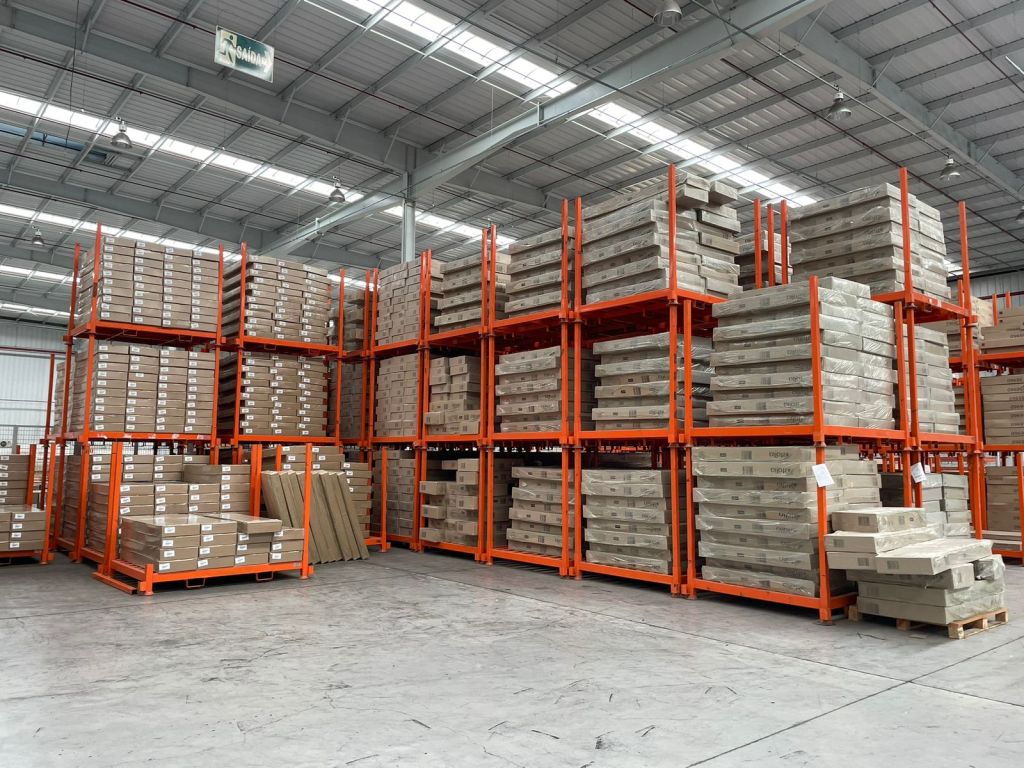
In practice, packaging must withstand drop tests, compression, and multiple handling stages, as seen in structured packaging requirements used by global retailers .
How to get it right
- Design packaging for export, not domestic transport
- Optimize for flat-pack when possible
- Test before scaling
Good packaging protects margin, not just product.
4. Misaligned Pricing Expectations
The problem
Buyers often enter Brazil expecting pricing similar to Asia.
This leads to friction and unrealistic negotiations.
What goes wrong
- Compromised quality
- Supplier disengagement
- Constant renegotiation
Market data platforms like Statista – Furniture Market Data show that pricing varies significantly depending on positioning, logistics, and production structure.
How to get it right
- Understand cost structure
- Benchmark by category
- Focus on total value, not just FOB
Brazil is competitive in mid-market and design-driven categories, not in ultra-low-cost mass production.
5. Lack of Product Development Alignment
The problem
Furniture is not a plug-and-play product.
Even when using existing designs, adjustments are often required for export.
What goes wrong
- Products differ from expectations
- Assembly issues
- Structural inconsistencies
How to get it right
- Develop prototypes
- Align technical specifications
- Validate materials and construction
Structured development processes, from concept to prototype, are essential to ensure consistency between design intent and final product .
Skipping this step increases risk dramatically.
6. Communication Gaps Between Buyer and Factory
The problem
Most sourcing failures are communication failures.
Differences in language, culture, and technical vocabulary create friction.
What goes wrong
- Misinterpretation of specifications
- Delays
- Rework
How to get it right
- Centralize communication
- Use clear documentation
- Maintain alignment throughout production
Research from McKinsey – Supply Chain Insights highlights that lack of coordination is one of the main drivers of inefficiency in global supply chains.
7. Underestimating Logistics Complexity
The problem
Shipping furniture internationally is complex and often underestimated.
What goes wrong
- Delays
- Unexpected costs
- Inventory disruptions
According to the World Bank Logistics Performance Index, logistics performance varies significantly across countries and directly impacts reliability and cost.
Additionally, understanding trade terms is critical. The International Chamber of Commerce – Incoterms® 2020 define responsibilities between buyers and sellers in international trade.
How to get it right
- Choose appropriate Incoterms
- Work with experienced logistics partners
- Plan realistic timelines
Logistics is not a detail. It is a core part of the business model.
Why Brazil Still Makes Sense
Despite these challenges, Brazil remains a highly attractive sourcing market.
The country offers:
- Strong manufacturing base
- Design differentiation
- Flexibility in production
- Growing export capabilities
As Vista highlights in its positioning, Brazil operates as a bridge between global demand and a creative industrial ecosystem capable of delivering differentiated products at scale .
Final Thoughts
Furniture sourcing is a system, not a transaction.
The most successful importers are those who:
- Understand the process
- Align product, supplier, and logistics
- Control execution from start to finish
Avoiding the mistakes outlined in this article significantly increases the probability of success when sourcing from Brazil.
About Vista Furniture Co.
This article was written by Vista Furniture Co., a sourcing and export consultancy that helps global brands, retailers, and marketplaces develop and scale furniture collections from Brazil.
We support our clients across:
- Supplier identification
- Product development
- Production management
- Quality control
- Export logistics
Our role is to transform complexity into clarity and ensure that every project moves from idea to delivery with precision.
Learn more at:
https://vista-furniture.com
Connect with us on LinkedIn:
https://www.linkedin.com/company/vista-furniture-co/
Follow us on Instagram:
https://www.instagram.com/vista.furniture.co

 Brazilian Furniture Sourcing Hub
Deixe um comentário