
This article is written by Vista Furniture Co., a sourcing and export consultancy that connects global retailers and marketplaces with leading furniture manufacturers in Brazil.
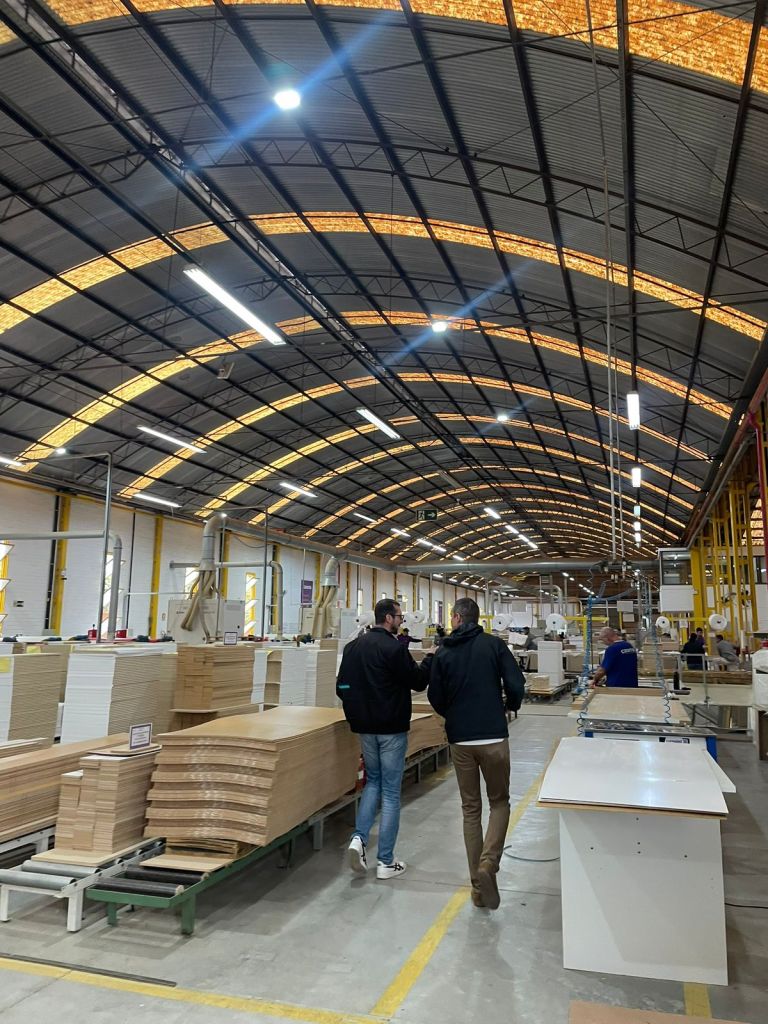
If you are sourcing furniture internationally, one of the most important strategic decisions you will make is often overlooked at the beginning:
Should your products be shipped flat-pack or fully assembled?
This decision impacts everything:
- cost structure
- logistics efficiency
- damage rates
- customer experience
- scalability in e-commerce
In our previous article, “Why Most Furniture Imports Fail”, we explained how packaging, logistics, and supplier alignment are among the main failure points in global sourcing.
👉 Read it here:
https://brazilian-furniture.com/2026/05/11/why-furniture-imports-fail-brazil/
This article goes one level deeper.
We will break down:
- the real differences between flat-pack and assembled furniture
- when each model makes sense
- how Brazil fits into both strategies
- and what global retailers must consider before scaling
What Is Flat-Pack Furniture?
Flat-pack furniture, also known as ready-to-assemble (RTA), is shipped in disassembled form and assembled by the end user.
This model is widely used by global retailers due to its efficiency.
According to Statista – Furniture Market Data, e-commerce has significantly accelerated the adoption of flat-pack furniture, especially in markets like the United States and Europe.
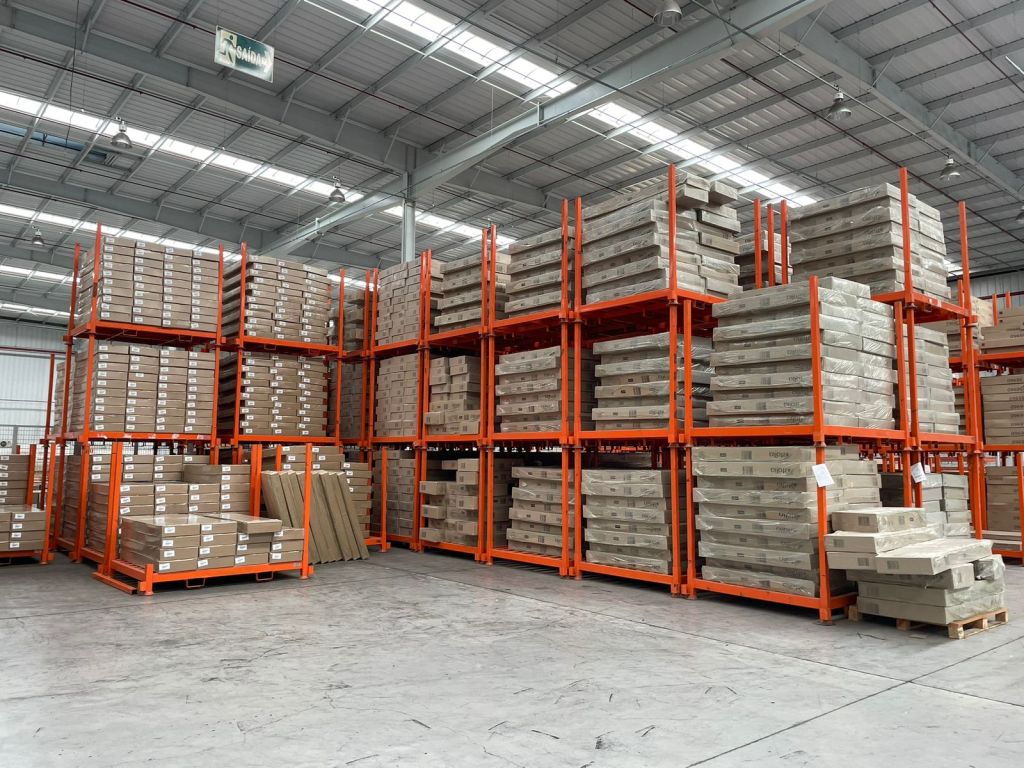
Flat-pack furniture starts at the component level, where precision cutting and drilling define the entire assembly experience.
Key characteristics:
- Shipped in compact boxes
- Requires assembly by the customer
- Optimized for logistics and storage
- Typically uses standardized components
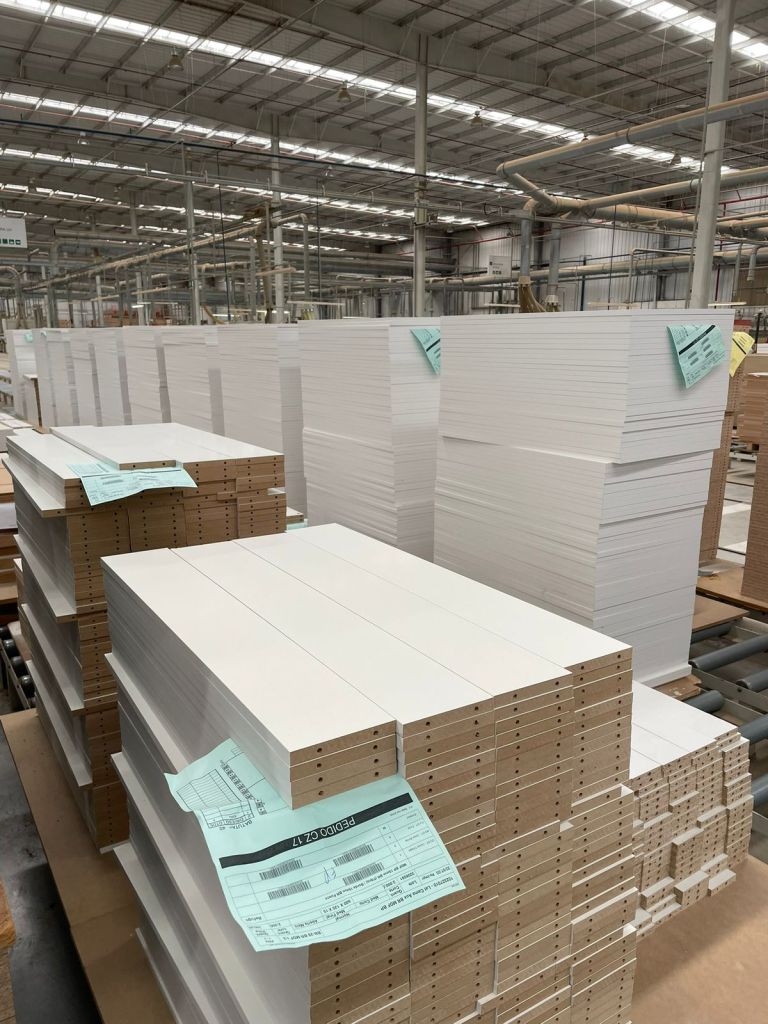
Production scale is not just about capacity, but about consistency across large volumes of standardized components.
What Is Assembled Furniture?
Assembled furniture is delivered fully built or partially built.
This model is more traditional and often associated with:
- premium positioning
- high-end retail
- design-driven pieces
Key characteristics:
- Delivered ready to use
- Higher shipping volume
- Less customer effort
- Higher perceived value
The Core Trade-Off: Logistics vs Experience
At its core, the decision between flat-pack and assembled furniture comes down to one fundamental trade-off:
👉 Efficiency vs Experience
Flat-pack maximizes:
- container efficiency
- warehouse optimization
- shipping cost reduction
Assembled furniture maximizes:
- customer convenience
- perceived quality
- premium positioning
Understanding where your business sits in this spectrum is critical.
1. Shipping and Container Efficiency
This is where flat-pack dominates.
Flat-pack furniture dramatically reduces shipping volume, allowing more units per container.
Organizations like International Chamber of Commerce – Incoterms® emphasize that shipping efficiency directly impacts total landed cost.
Flat-pack advantages:
- Higher container utilization
- Lower cost per unit
- Easier international distribution
Assembled limitations:
- Air volume inefficiency
- Higher freight costs
- Less scalable logistics
👉 For marketplaces and large retailers, this alone often determines the choice.
2. Packaging Complexity and Risk
Flat-pack requires much more engineering than most buyers expect.
Packaging must protect:
- individual components
- edges and surfaces
- hardware and fittings
Standards such as ISTA – International Safe Transit Association define testing protocols to simulate real transport conditions.
In addition, ISO 780 – Handling Instructions establishes best practices for packaging symbols and handling.
Flat-pack risks:
- Poor packaging leads to high return rates
- Assembly complexity increases customer complaints
Assembled risks:
- Damage during transport
- Higher cost of returns
👉 There is no “risk-free” model. There is only better engineering.
3. E-Commerce Compatibility
Flat-pack furniture was not created for e-commerce.
But today, it is the backbone of e-commerce furniture logistics.
According to McKinsey – Supply Chain Insights, companies that optimize packaging and logistics for e-commerce gain significant competitive advantage.
Flat-pack is ideal for:
- marketplaces (Amazon, Wayfair, etc.)
- direct-to-consumer brands
- high SKU volume operations
Assembled furniture fits better for:
- showroom-driven brands
- premium retail
- local delivery models
👉 If your business is digital-first, flat-pack is almost always required.
4. Assembly Experience (UX Matters More Than You Think)
This is one of the most underestimated aspects.
Flat-pack furniture shifts part of the experience to the customer.
What goes wrong:
- complex instructions
- missing hardware
- poor fit between components
What defines success:
- intuitive assembly
- minimal tools required
- clear instructions
Bad assembly experience destroys:
- brand perception
- reviews
- repeat purchases
👉 In e-commerce, assembly is part of the product.
5. Product Design Constraints
Flat-pack furniture is not just disassembled furniture.
It must be designed differently from the beginning.
Design implications:
- modular construction
- simplified joints
- reinforced connection points
As highlighted in real sourcing operations, product adaptation for export includes structural simplification and durability adjustments .
Assembled furniture allows:
- more complex structures
- fewer visible joints
- higher design freedom
👉 Design and logistics are inseparable decisions.
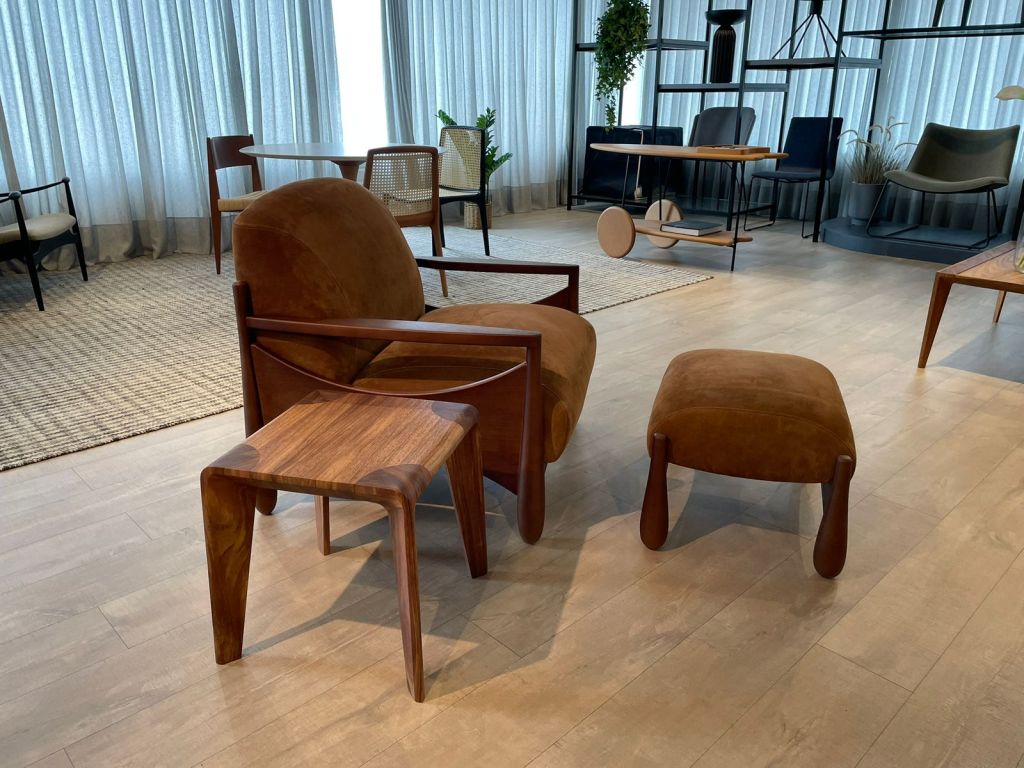
“The final product reflects every decision made across sourcing, engineering, and production.”
6. Cost Structure Beyond FOB
Many buyers focus only on FOB pricing.
This is a mistake.
Flat-pack:
- lower freight cost
- lower storage cost
- higher packaging cost
Assembled:
- higher freight cost
- higher handling cost
- lower packaging complexity
👉 The correct metric is total landed cost, not unit price.
7. Returns and Damage Rates
Returns are one of the biggest cost drivers in furniture e-commerce.
Flat-pack:
- lower transport damage (if well packed)
- higher assembly-related returns
Assembled:
- higher transport damage risk
- higher return shipping cost
👉 A damaged assembled sofa is far more expensive to return than a flat-pack product.
8. Brazil’s Role in Flat-Pack vs Assembled Production
Brazil has strong capabilities in both models.
Strengths in flat-pack:
- MDF/MDP manufacturing
- modular furniture production
- growing export readiness
Strengths in assembled:
- solid wood craftsmanship
- upholstery
- design-driven products
According to ABIMÓVEL, Brazil’s furniture industry combines industrial scale with design capability, making it flexible across different production models.
👉 This flexibility is one of Brazil’s biggest advantages over more rigid sourcing markets.
9. When Should You Choose Flat-Pack?
Flat-pack is the right choice if you:
- operate in e-commerce
- need to scale volume
- optimize shipping costs
- sell in multiple regions
👉 Typical profiles:
- marketplaces
- large retailers
- private label brands
10. When Should You Choose Assembled Furniture?
Assembled furniture makes sense if you:
- focus on premium positioning
- sell design-led products
- operate with controlled logistics
- prioritize customer experience
👉 Typical profiles:
- boutique brands
- interior design-focused companies
- high-end retail
Final Thoughts
Flat-pack vs assembled is not a technical decision.
It is a business model decision.
The most successful companies are those that align:
- product design
- logistics
- customer experience
- and market positioning
In global sourcing, especially from Brazil, getting this decision right early can define your margins, scalability, and long-term success.
About Vista Furniture Co.
This article was written by Vista Furniture Co., a sourcing and export consultancy that helps global retailers and brands develop and scale furniture collections from Brazil.
We support our clients across:
- supplier sourcing
- product development
- packaging optimization
- production management
- export logistics
Our role is to ensure that every decision, from design to delivery, is aligned with your business model and market strategy.
Learn more at:
https://vista-furniture.com
Connect with us:
https://www.linkedin.com/company/vista-furniture-co/
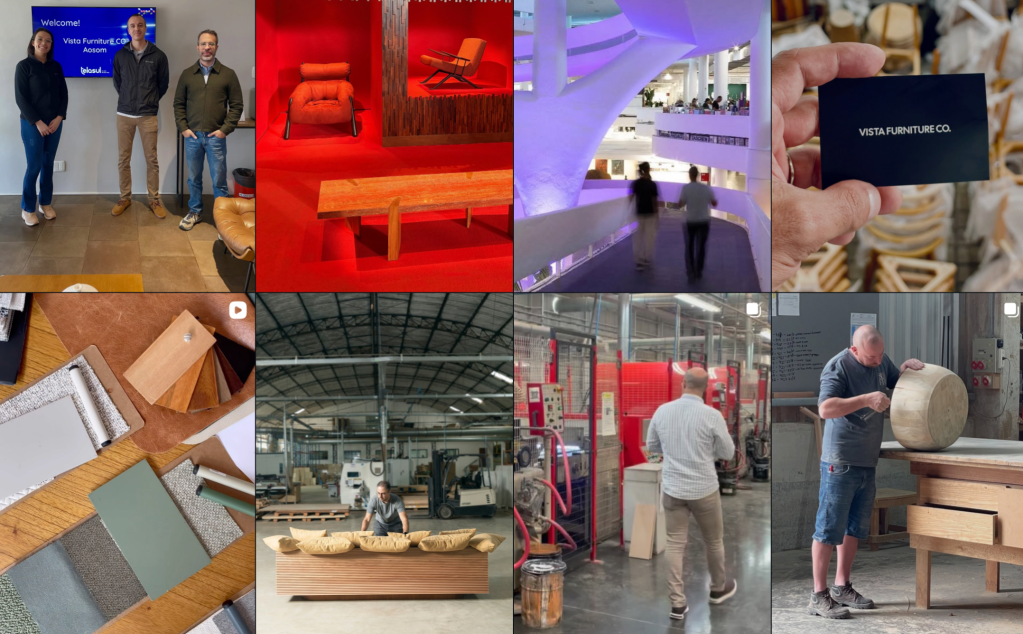
- Behind every sourcing project, there is a combination of design, manufacturing, and on-the-ground execution.
At Vista Furniture Co., we work directly with factories, materials, and product development to ensure that every collection is not only viable, but scalable.
If you want to see how this happens in practice, follow our work and factory visits on Instagram. Follow us on Instagram:
https://www.instagram.com/vista.furniture.co
 Brazilian Furniture Sourcing Hub
Deixe um comentário