
This post was created by Vista Furniture Co., a sourcing and export consultancy that connects global retailers with Brazil’s leading furniture manufacturers, combining design intelligence, product development, and international logistics.
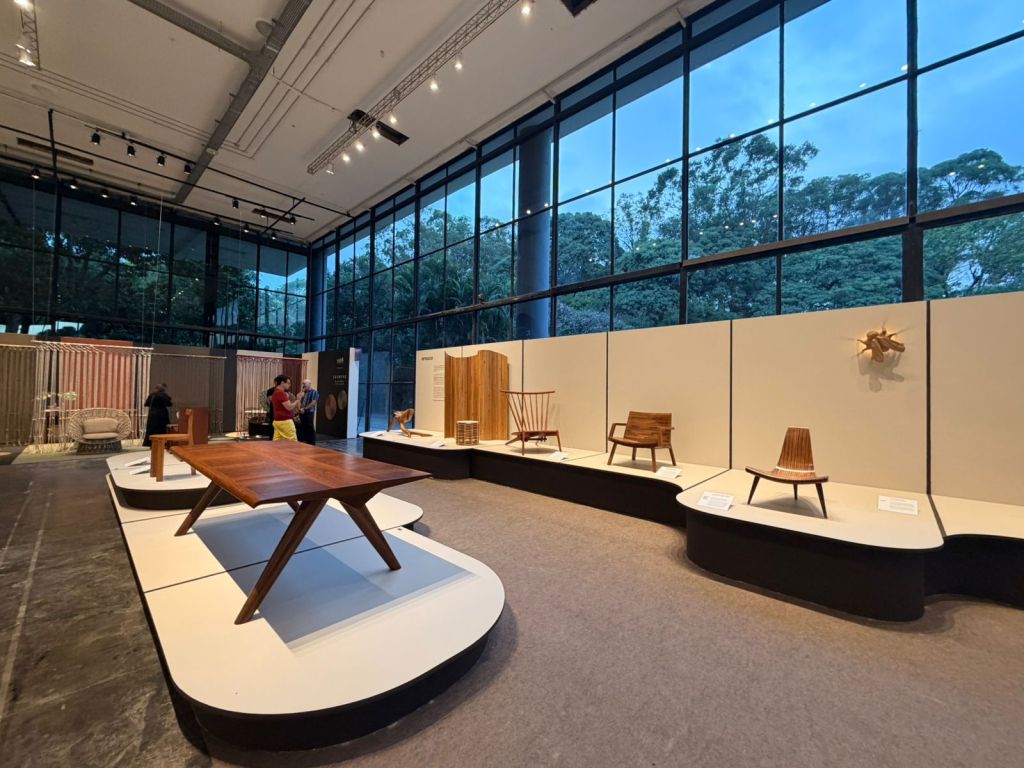
In a market increasingly driven by differentiation, storytelling, and supply chain resilience, events like SP–Arte have become more than cultural showcases. They are now strategic touchpoints for brands, retailers, and marketplaces looking to understand where design is heading and where production can follow.
Held annually in São Paulo, SP–Arte is widely recognized as one of Latin America’s leading art fairs, hosted at the Fundação Bienal pavilion. But beyond paintings and galleries, a quieter yet increasingly relevant movement has been gaining space: collectible furniture design.
For international buyers, this shift is particularly important.
Brazil is no longer just a manufacturing alternative. It is becoming a design origin.
And SP–Arte is one of the clearest windows into that transformation.
The rise of collectible furniture in Brazil
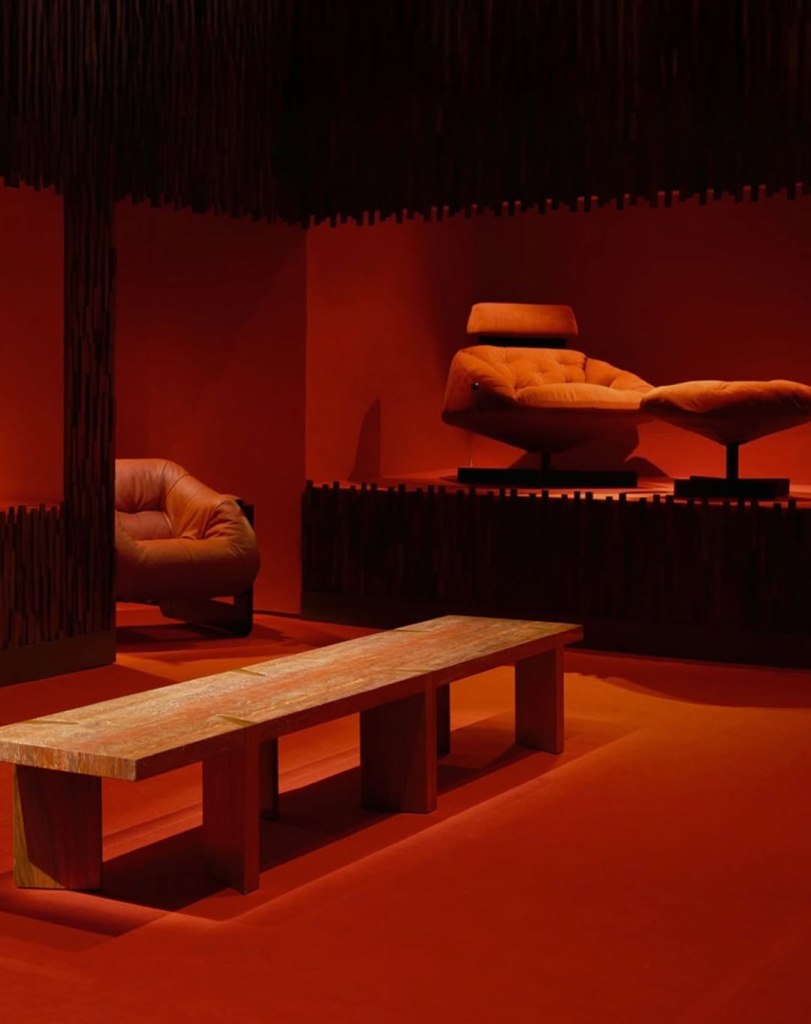
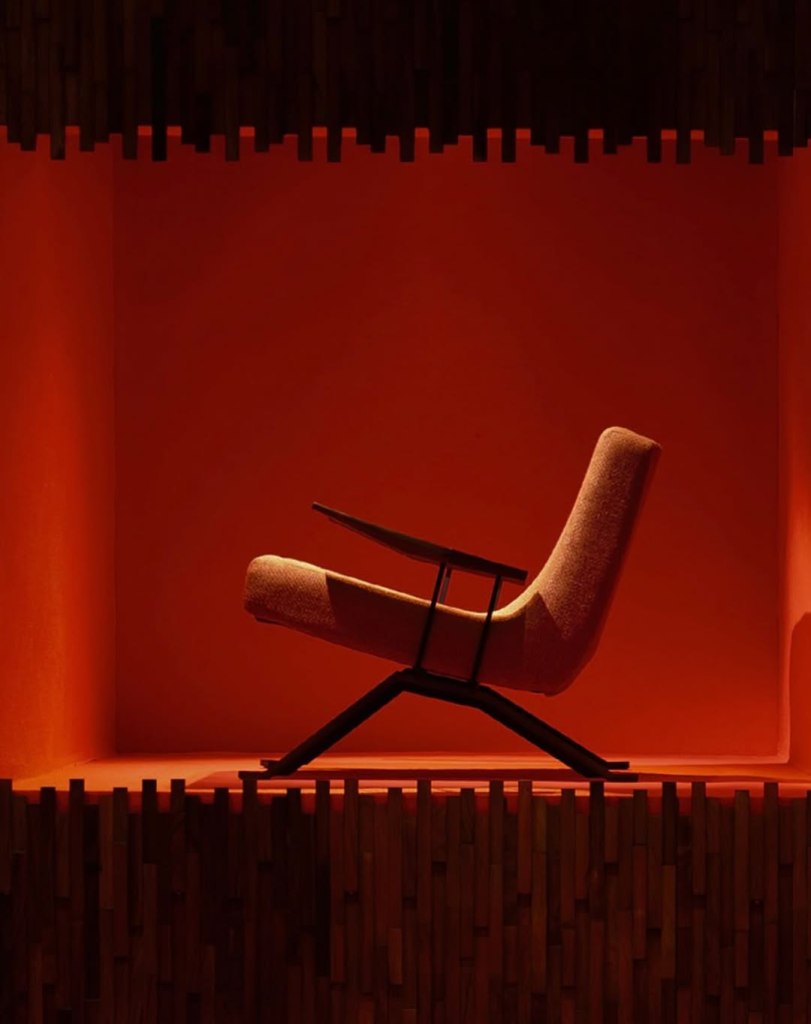
Over the past decade, Brazil’s furniture design scene has matured significantly. What was once a fragmented ecosystem of independent studios and small-scale production has evolved into a more structured landscape, where design, craftsmanship, and industrial capabilities are increasingly aligned.
At SP–Arte, this evolution becomes tangible.
Designers present pieces that sit at the intersection of art and function. Limited editions, strong material identities, and a clear authorship define the collections. Wood, metal, natural fibers, and innovative composites are explored with a level of sophistication that resonates with global design standards.
But what makes Brazil particularly interesting is not just the aesthetic.
It is the underlying production potential.
Many of these designers are already collaborating with manufacturers or are just one step away from scaling their work into larger production runs. For international retailers, this creates a unique opportunity: access to original design with real industrial feasibility.
A closer look: Vinicius Siega and the value of material-driven design
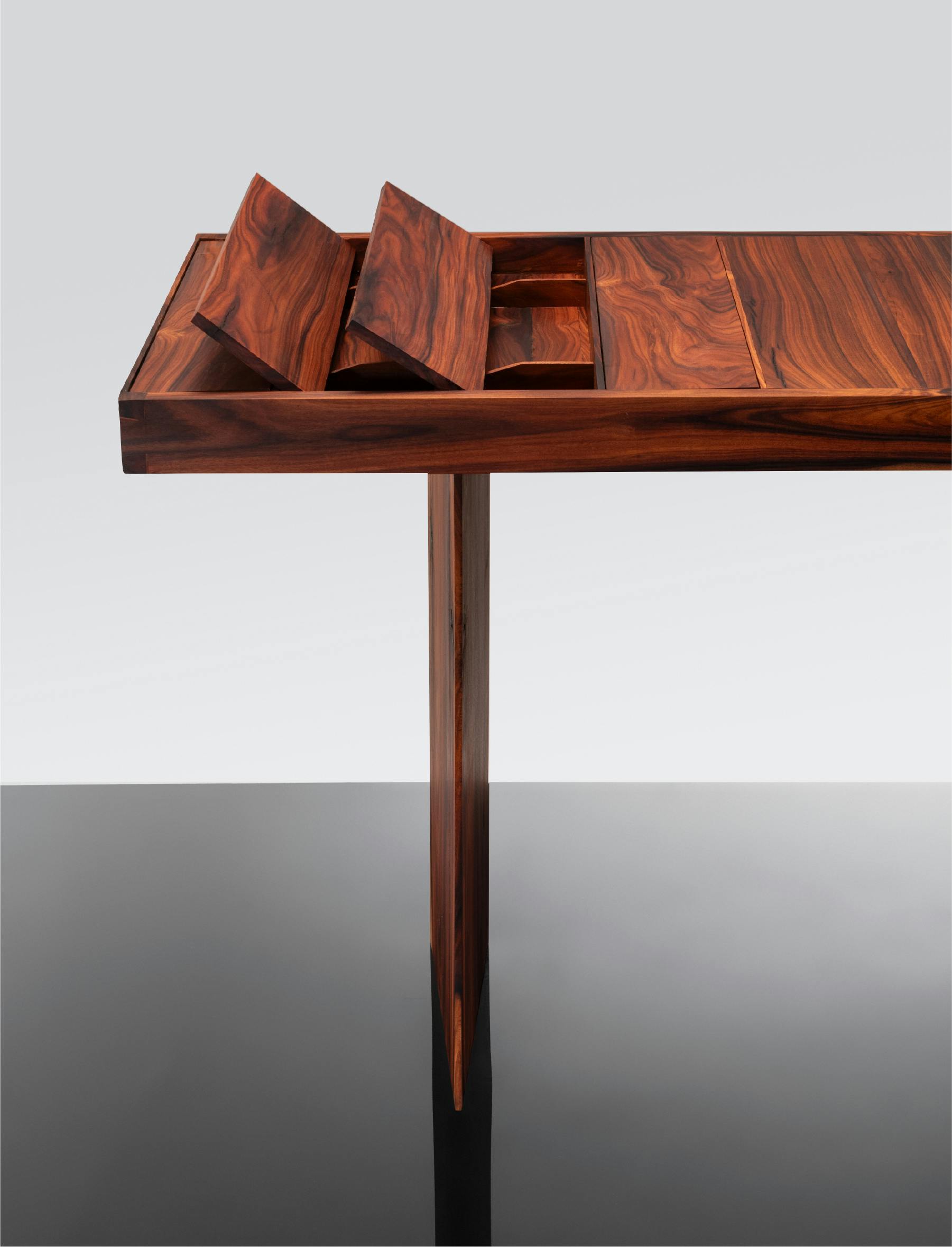
Jacaranda wood desk by Brazilian designer Vinicius Siega, presented at SP–Arte in São Paulo. A piece that reflects the intersection of material heritage and contemporary design thinking. 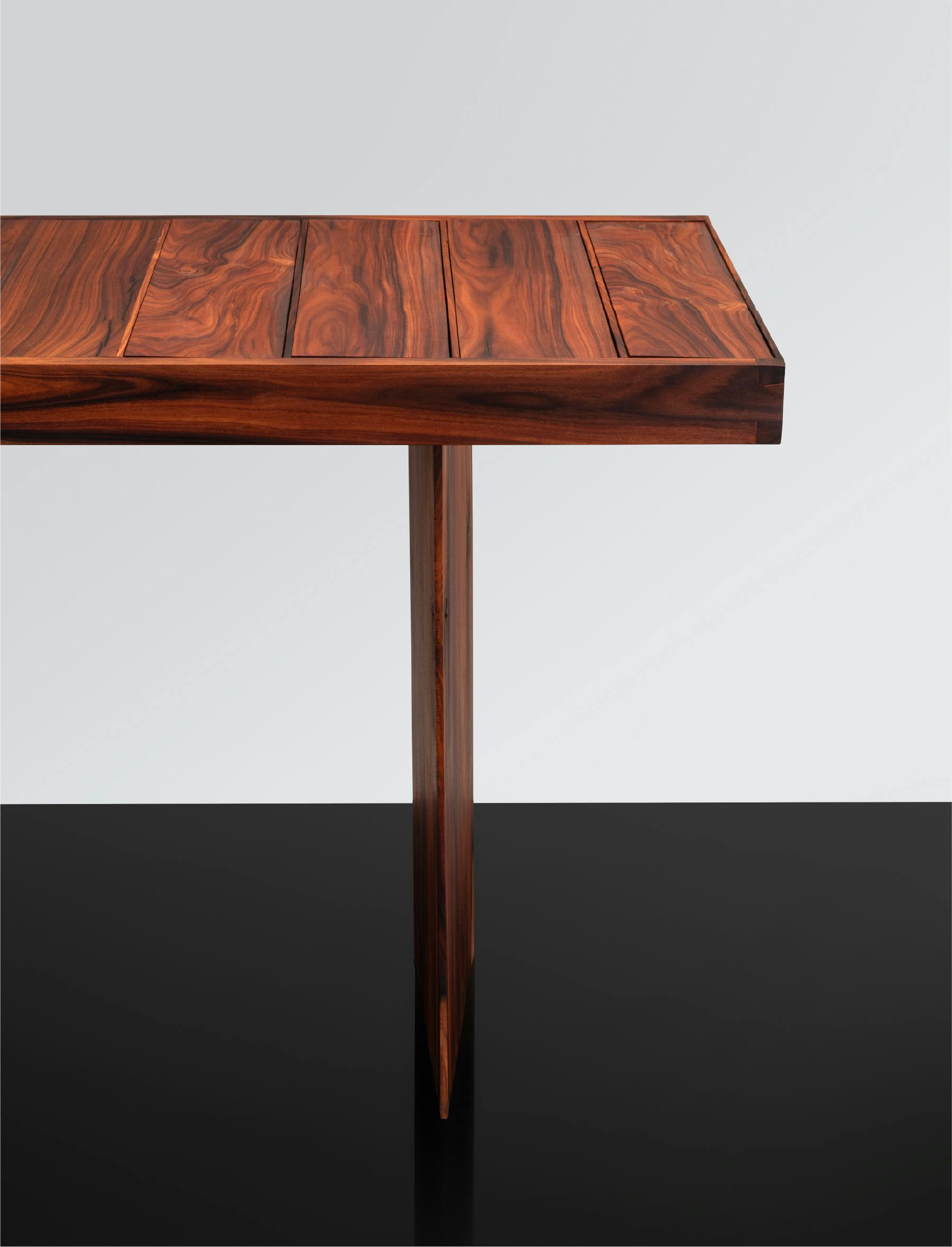
Side view of the jacaranda wood desk by Vinicius Siega, highlighting the natural grain patterns and refined construction.
Among the highlights of this year’s edition was the work of Brazilian designer Vinicius Siega, who presented a desk crafted in jacaranda wood.
The piece stands out not only for its visual presence but for what it represents.
Jacaranda, historically associated with Brazilian modernism, carries both cultural and material weight. Its use signals a connection to heritage while demanding a high level of technical execution. The desk combines clean geometry with the richness of the wood, resulting in a product that feels both contemporary and deeply rooted in Brazilian design tradition.
For global buyers, pieces like this offer more than aesthetic appeal.
They offer narrative.
In a retail environment where storytelling drives conversion, the ability to connect a product to material origin, craftsmanship, and cultural context is a powerful differentiator.
At the same time, translating such pieces into scalable products requires a structured approach. Wood sourcing, compliance, finishing standards, and packaging must all align with international expectations.
This is where the gap between design and production becomes critical.
And where the right local partner can make the difference between inspiration and execution.
From gallery to production floor
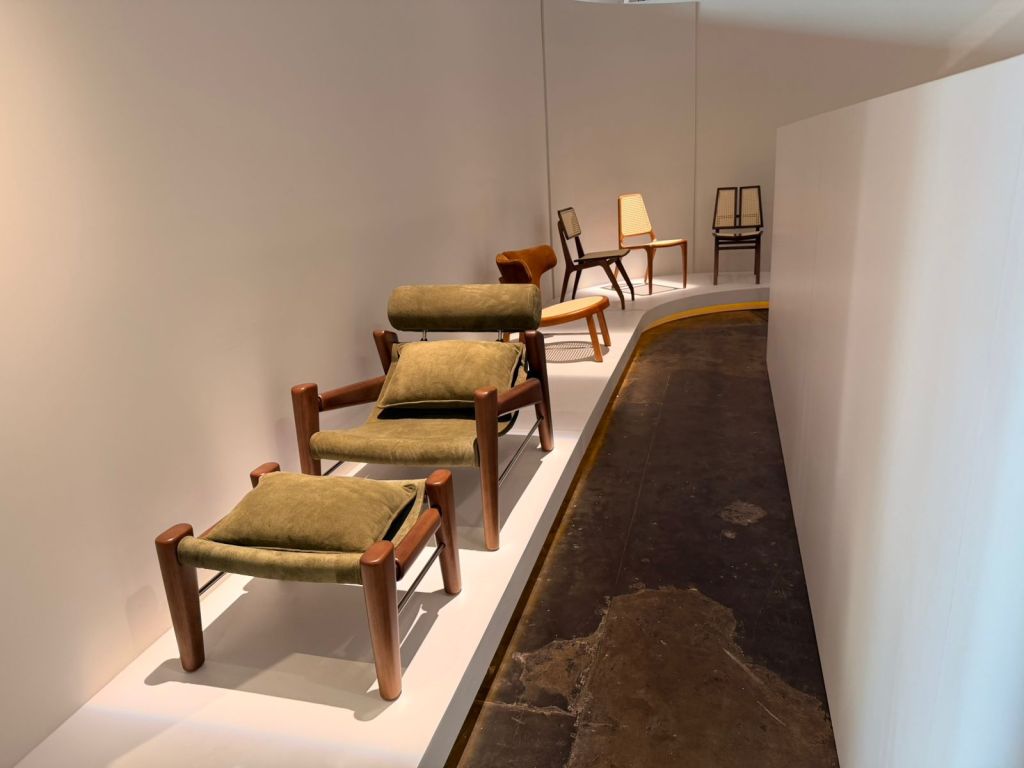
One of the most important insights from SP–Arte is how close many of these designs are to becoming production-ready.
Unlike purely conceptual exhibitions, a large portion of the furniture showcased is already built with real materials, real joinery, and real structural solutions. This reduces the distance between prototype and production.
For sourcing professionals, this matters.
It means shorter development cycles, clearer cost structures, and more predictable outcomes.
However, moving from a one-off piece to a scalable product still requires adjustments:
• structural simplification for production efficiency
• adaptation for flat-pack or optimized logistics
• material substitutions when necessary
• compliance with international safety and certification standards
These steps are not always visible at the fair level, but they are essential for any brand aiming to bring Brazilian design into global retail.
Why global retailers are paying attention to Brazil
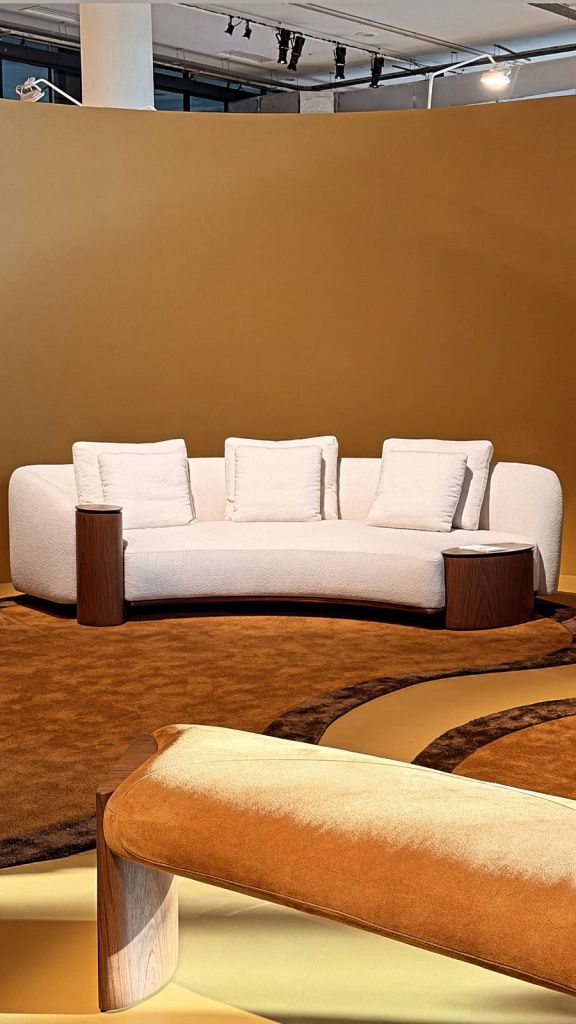
The growing interest in Brazil as a sourcing destination is not случайный. It is driven by a combination of structural and creative factors.
From a production standpoint, Brazil offers:
• a diversified industrial base, supported by Brazilian furniture industry data from Abimóvel.
• strong woodworking expertise
• access to natural materials
• proximity to Western markets compared to Asia
From a design perspective, the country brings something increasingly rare: originality.
While many global markets are saturated with similar aesthetics, Brazilian design still feels fresh. It combines modernist influences with contemporary experimentation, resulting in products that stand out without losing commercial appeal.
For marketplaces and retailers, this balance is valuable.
It allows them to differentiate their catalog while maintaining operational viability.
The role of design scouting in modern sourcing
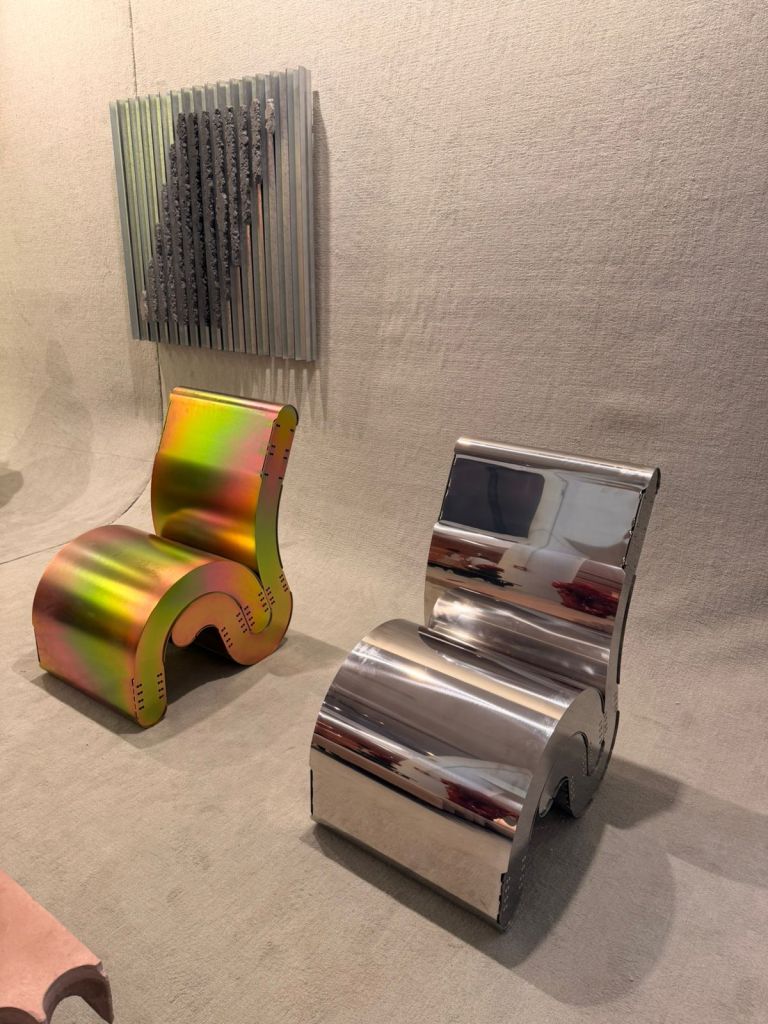
Attending events like SP–Arte is not just about inspiration. It is about intelligence.
Design scouting has become a critical layer in the sourcing process. It allows companies to identify emerging trends before they become mainstream, discover new designers, and anticipate shifts in consumer taste, often reflected early on platforms like ArchDaily.
But effective scouting requires more than observation.
It requires interpretation.
Not every piece that works in a gallery will work in retail. The challenge is to identify which ideas can be translated into products that meet price points, logistics constraints, and customer expectations.
This is where structured sourcing methodologies become essential.
Turning Brazilian design into global product
Bringing a product from SP–Arte into an international catalog involves multiple layers:
- Design evaluation
Understanding the aesthetic potential and market fit - Supplier matching
Identifying manufacturers capable of producing with consistency - Product development
Adapting the design for scale without losing identity - Quality control
Ensuring standards across batches and production cycles - Export logistics
Managing packaging, documentation, and delivery
Each of these steps introduces complexity.
And each of them requires local expertise.
As highlighted in Vista’s own positioning, connecting design, production, and logistics into a single flow is what allows global brands to operate efficiently in markets like Brazil
São Paulo as a strategic sourcing hub
São Paulo plays a central role in this ecosystem.
Beyond hosting SP–Arte, the city acts as a gateway to Brazil’s main production clusters, including regions like Bento Gonçalves in the South, known for its strong furniture industry.
This geographic advantage allows for efficient coordination between design discovery and factory visits.
For international buyers planning sourcing trips, combining events like SP–Arte with on-the-ground supplier visits can significantly accelerate decision-making.
It transforms sourcing from a transactional activity into a strategic process.
The new role of fairs in the supply chain
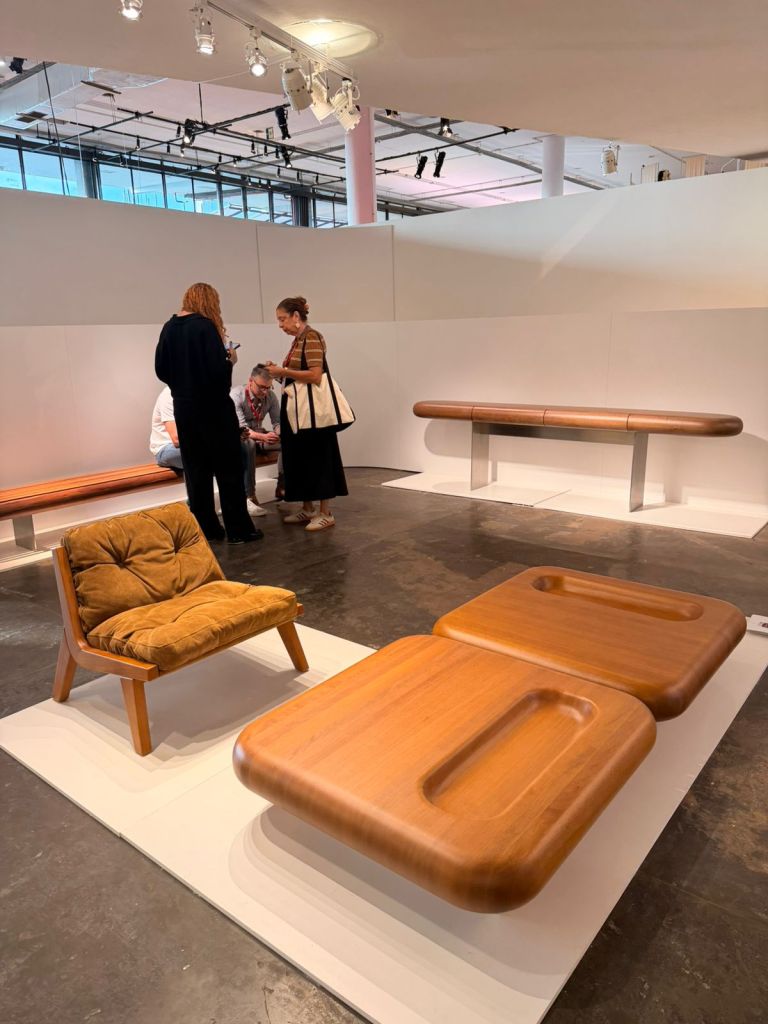
Traditionally, trade fairs, like High Point Market or Salone del Mobile, were seen as platforms for finished products and commercial negotiations.
SP–Arte represents a different model.
It operates upstream.
Instead of showcasing finalized collections, it reveals ideas in their early stages. For companies willing to engage earlier in the process, this creates a competitive advantage.
They can influence product development, secure exclusivity, and build collections that are not yet available to the broader market.
In a world where speed and differentiation define success, this early access can be decisive.
Challenges to consider
Despite the opportunities, sourcing from Brazil also comes with challenges.
• variability in production maturity across suppliers
• need for clear technical specifications
• alignment on timelines and expectations
• logistics and packaging optimization for export
These challenges are manageable, but they require structure.
Without it, the risk of delays, inconsistencies, or cost overruns increases.
A market at an inflection point
What becomes clear after walking through SP–Arte is that Brazil’s design and furniture industry is at an inflection point.
The creative side is already there.
The production side is catching up fast.
And the global demand for differentiated, design-driven products is growing.
For international brands, this creates a window of opportunity.
Those who move early can position themselves ahead of the curve, building collections that combine originality, quality, and operational efficiency.
Final thoughts
SP–Arte is not just an art fair.
It is a signal.
A signal that Brazil is evolving from a manufacturing alternative into a design powerhouse with real export potential.
For companies willing to engage with this ecosystem, the rewards go beyond product sourcing.
They include access to new ideas, new narratives, and new ways of building collections that resonate globally.
About Vista Furniture Co.
This article is presented with insights from Vista Furniture Co., a sourcing and export partner that helps global retailers and marketplaces manufacture furniture in Brazil with reliable factories, curated design, and streamlined international logistics.
Vista connects international brands to Brazil’s top manufacturers, managing everything from design scouting and product development to quality control and export coordination. The company was built on the experience of developing one of Brazil’s leading design furniture platforms and operates with a strong focus on efficiency, aesthetics, and global standards
Explore more at: https://vista-furniture.com
Connect with us on LinkedIn: https://www.linkedin.com/company/vista-furniture-co/
 Brazilian Furniture Sourcing Hub
Deixe um comentário