
Introduction
At Vista Furniture Co., we’ve worked with global sourcing teams navigating the shift away from Asia-dominant supply chains. While Vietnam and China have long led the conversation, Indonesia has quietly built a strong reputation in the U.S. furniture import market. But in 2025, Brazil is entering the equation as a serious nearshoring alternative—especially for buyers looking for compliance, sustainability, and operational agility in the Americas.
This article compares Brazil and Indonesia, two countries with strong furniture manufacturing DNA, to help you decide where your next collection should be produced.
1. Export Volume and Market Access
Indonesia: High U.S. Penetration
Indonesia ranks among the top 10 furniture exporters to the U.S., especially strong in outdoor furniture, solid wood case goods, and hand-crafted pieces. Trade routes are mature and the local industry is well-versed in containerized exports.
Brazil: Gaining Momentum in the Americas
Brazil’s global share is smaller, but its regional presence is accelerating fast. Export-friendly policies, Mercosur trade integration, and reduced freight times to the U.S. East Coast make Brazil a rising star—particularly for retailers and marketplaces that need faster turnaround and easier compliance with U.S. regulations.
See U.S. import data from Census Bureau
2. Material Sourcing & Sustainability
Indonesia: Rich Timber, but Traceability Concerns
Indonesia has access to tropical hardwoods like teak, mahogany, and acacia. However, illegal logging and limited FSC coverage continue to raise red flags for American and European retailers. The SVLK certification system was introduced to address these issues, but it is not equivalent to FSC or PEFC.
Brazil: FSC-Certified and Reforested Supply Chains
Brazil is home to one of the largest certified wood ecosystems in the world. Manufacturers in Vista’s network operate with FSC-certified eucalyptus, pine, and native hardwoods, enabling brands to meet their sustainability commitments without compromise.
3. Labor & Craftsmanship
Indonesia: Skilled Artisans, Low Labor Cost
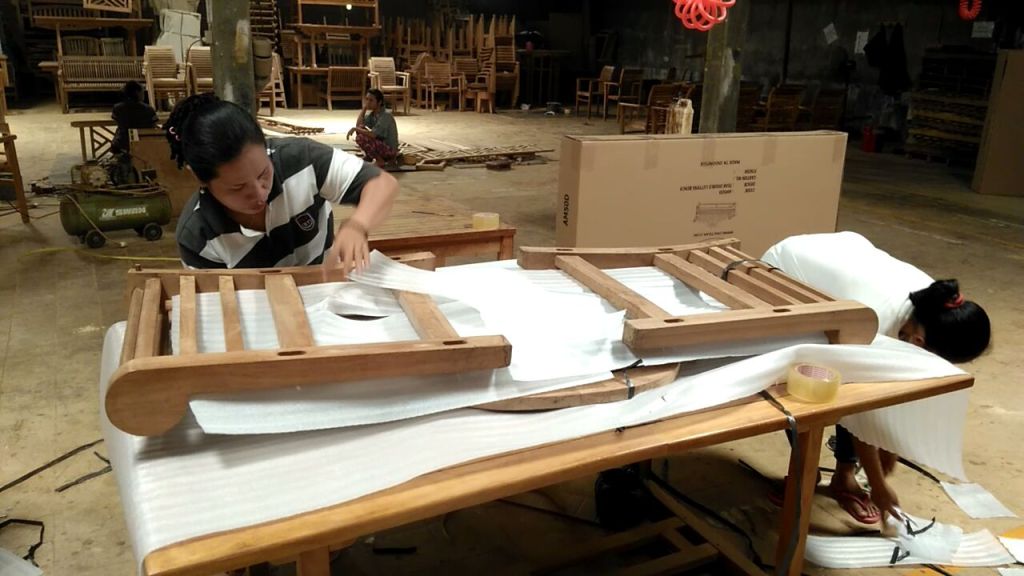
Indonesia is known for its artisanal capabilities and low-cost workforce. It excels in manual detailing, carved elements, and traditional joinery. These are ideal for high-end or niche collections, but may result in scalability challenges for mass-market retail.
Brazil: Industrial Precision + Upholstery Know-How
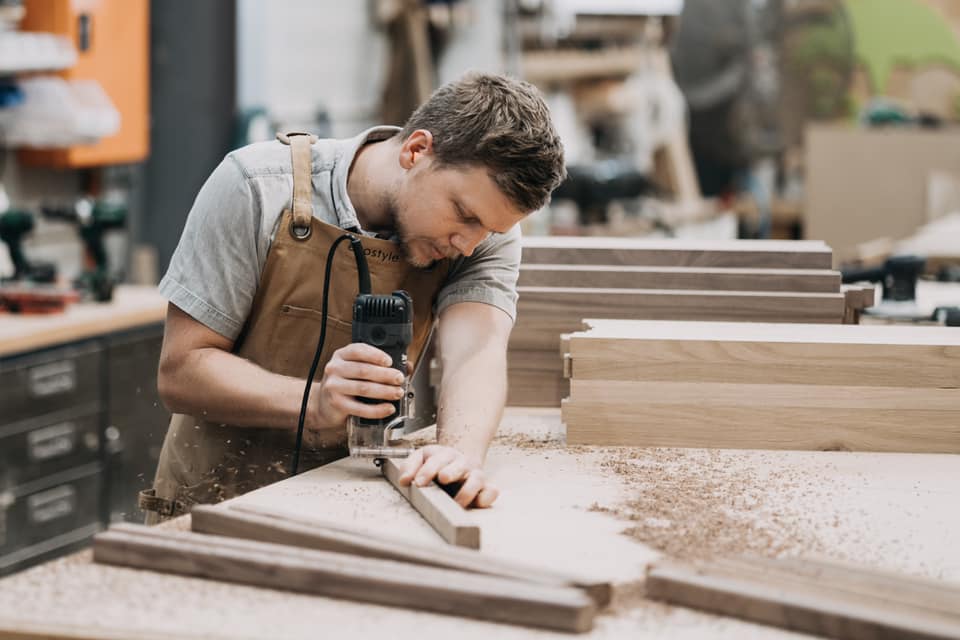
Brazilian factories combine woodworking tradition with automated CNC, in-house upholstery, and CARB/TSCA-aligned engineering. Vista’s partners are especially strong in flat-pack, upholstered seating, bedroom, and storage furniture, all optimized for U.S. retail chains.
Explore Vista’s sourcing capabilities
4. Compliance & Market Fit
Indonesia: SVLK and Local Norms
Indonesia operates under its national legality standard (SVLK), which does not fully align with U.S. TSCA Title VI or EU EUTR standards. Labeling, packaging, and documentation can require third-party oversight.
Brazil: Built for American and European Retail
Brazilian manufacturers working with Vista are export-ready, fluent in TSCA, CARB, TB117, and EN standards. Most operate under ISO 9001 and offer detailed documentation packages for container-level retail export.
If your product needs to land in Amazon, Target, Walmart, or Wayfair, Brazil offers faster adaptation and fewer rework cycles.
Learn about Amazon packaging standards.
5. Freight, Lead Times & Nearshoring
Indonesia: 35–60 Day Transit, Volatile Freight
Furniture shipping from Indonesia to the U.S. takes 5 to 9 weeks, depending on port and route. Lead times can stretch with congestion and container shortages—and freight prices from Asia remain unstable post-pandemic.
Brazil: 10–25 Day Transit, Lower Risk
Brazil’s proximity to the U.S. reduces total lead time by up to 60%. Ports like Santos, Paranaguá, and Itajaí are optimized for containerized furniture. Vista coordinates freight with trusted logistics providers to streamline customs, reduce storage fees, and ensure documentation is fully compliant.
6. Strategic Fit: Asia vs. The Americas
Indonesia: Niche and Heritage-Driven
Indonesia works well for retailers seeking hand-finished, natural wood aesthetics with cultural design narratives. However, for volume-driven omnichannel players in the Americas, it may fall short on speed and adaptability.
Brazil: Regional Agility, Design Alignment
Vista helps clients launch design-led collections in Brazil with faster prototyping, custom finishes, and regionally relevant specs. If you’re targeting the U.S., Mexico, or LATAM markets, Brazil enables faster response to seasonal trends and pricing pressure.
Learn more about nearshoring furniture
7. Who Should Consider Sourcing from Brazil?
- Retailers serving the U.S. and LATAM looking for regional sourcing
- Brands needing FSC-certified wood with lower environmental impact
- Companies shipping to Amazon or major U.S. retailers requiring TSCA/CARB readiness
- Product teams prioritizing faster time to shelf and lower freight volatility
At Vista Furniture Co., we work as your on-the-ground sourcing partner in Brazil—from factory scouting and compliance to container optimization.
Conclusion: Which Country Wins?
Indonesia has a strong legacy and continues to shine in artisanal craftsmanship. But for buyers focused on speed, compliance, sustainability, and regional integration, Brazil offers a clear strategic edge in 2025.
If you’re planning to diversify sourcing beyond Asia or respond more quickly to market shifts, partnering with Vista Furniture Co. to develop collections in Brazil may be your smartest next move.
Resources & References
- FSC.org – Forest Stewardship Council
- SVLK Indonesia Timber Legality System
- ApexBrasil – Export Agency
- U.S. Census Trade Data
- Statista: Global Furniture Trade
- Brazilian Furniture Platform
- Port of Santos
Want to explore sourcing from Brazil?
📍 Visit www.vista-furniture.com
🔗 LinkedIn: Vista Furniture Co.
📷 Instagram: @vista.furniture.co
Let’s build better, together.

 Brazilian Furniture Sourcing Hub
Deixe um comentário