
As global supply chains face increasing pressure from geopolitical tension, freight instability, and rising compliance demands, major furniture retailers are rethinking their sourcing geography. The era of overdependence on Asia is giving way to a new logic: nearshoring. And in this new map, Latin America — especially Brazil — is emerging as a high-potential production hub for the global furniture market.
At the center of this transformation is Vista Furniture Co. — a Brazil-based sourcing consultancy that helps international retailers, marketplaces, and design studios develop and produce furniture collections in the country with speed, precision, and export-readiness.
In this article, we explore why nearshoring is more than a trend, how Brazil fits into this global shift, and what international buyers need to know to successfully manufacture furniture in the region — with Vista as your partner on the ground.
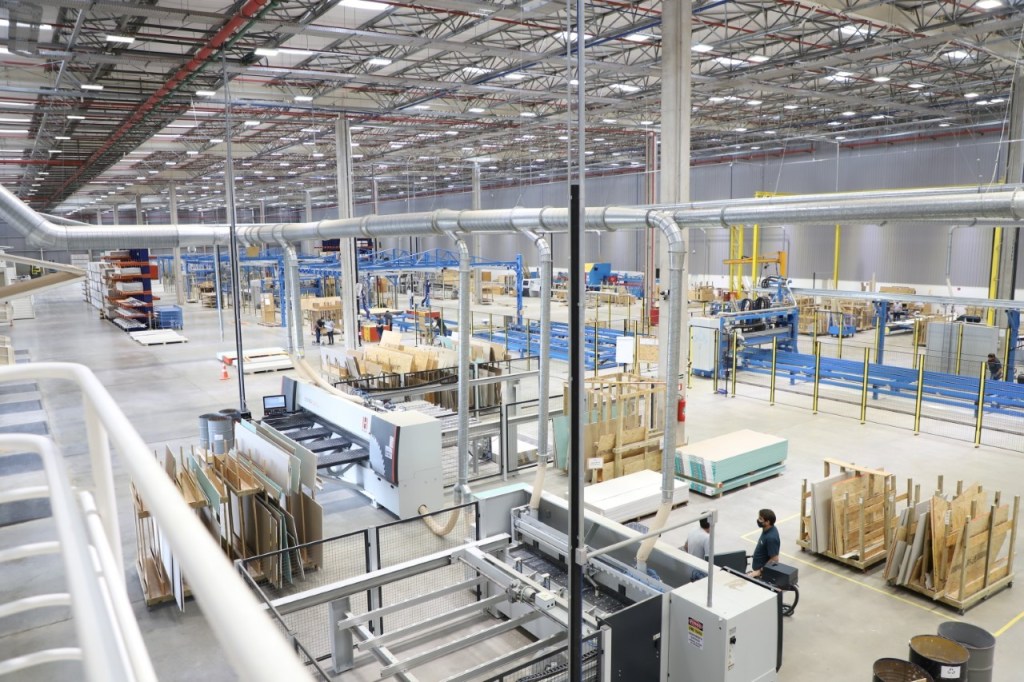
Why Nearshoring Furniture Is on the Rise
Nearshoring refers to the relocation of manufacturing and supply operations closer to the target market — reducing lead times, risk, and complexity. In the furniture industry, this shift is gaining momentum due to several strategic drivers:
1. Supply Chain Disruption in Asia
Events like COVID-19 lockdowns, the Red Sea crisis, port congestion, and U.S.-China trade frictions have made sourcing from Asia increasingly volatile. Buyers exposed to long-distance dependencies are now diversifying to reduce risk.
2. Faster Delivery Expectations
Retailers and marketplaces want speed. Whether replenishing fast-moving SKUs or testing new designs, they need shorter lead times and more responsive suppliers — especially for DTC and omnichannel formats.
3. Freight Cost and Route Volatility
Transpacific freight rates have fluctuated wildly in recent years. Nearshoring to Latin America offers more stable shipping routes and lower volatility, especially for the U.S. East Coast and South-South corridors (to Africa and LATAM).
4. Compliance and Sustainability Pressures
Buyers face increasing pressure for certified materials, ESG reporting, and traceable supply chains. Working closer to home — in regions with renewable materials and established forest certifications — simplifies this task.
5. Geopolitical Bloc-Balancing
As supply chains shift from linear globalism to strategic blocs, Latin America is becoming a preferred sourcing region for companies headquartered in the U.S. and Europe.
Why Brazil Is the Furniture Nearshoring Hotspot
Among Latin American countries, Brazil stands out as a powerhouse for furniture manufacturing — combining industrial scale, material availability, design culture, and export infrastructure.
🇧🇷 1. Industrial Clusters with Global Reach
- Bento Gonçalves (RS): wood furniture, cabinetry, export-driven mid-size manufacturers
- Paraná & Santa Catarina: upholstered goods, MDF, flat-pack production
- São Paulo: flexible manufacturers, design studios, high-end prototyping
- Minas Gerais: lean, cost-competitive suppliers
🪵 2. Certified and Sustainable Raw Materials
- Brazil is one of the largest global producers of FSC-certified wood
- Abundant access to reforested pine, eucalyptus, MDF, and plywood
- Alignment with buyers’ sustainability goals and ESG compliance
🚢 3. Strategic Shipping Access
- 10–15 day transit to U.S. East Coast
- Competitive lanes to Mexico, Colombia, Chile, Peru
- Direct routes to South Africa and Angola, growing furniture markets
🪑 4. Furniture Expertise Across Categories
Brazilian manufacturers export:
- Solid wood case goods
- Sofas and upholstered furniture
- Flat-pack and KD items for e-commerce
- Outdoor furniture
- Hospitality & commercial collections
🧰 5. Export-Ready Factories
Brazilian suppliers are increasingly structured to meet global requirements:
- CARB / TSCA / TB117 / EN / ISO certifications
- Experience with American, African, and European clients
- Digital sampling, bilingual communication, QC systems
What Makes Nearshoring to Brazil Strategic — Not Just Convenient
While cost remains important, nearshoring to Brazil offers competitive advantage beyond pricing:
- Speed-to-market for time-sensitive categories
- Resilience through proximity and diversified sourcing
- Brand differentiation via Brazilian design language
- Lower carbon footprint for North-South routes
- Ease of collaboration with same/close time zones
For global retailers, Brazil is not just a backup plan — it’s a strategic sourcing location that brings creativity, capacity, and control together.
How Vista Furniture Co. Helps Retailers Nearshore to Brazil
Vista Furniture Co. is a sourcing consultancy based in Brazil that helps international brands develop, produce, and export high-quality furniture collections. We work with clients across the U.S., Latin America, Africa, Middle East and Europe.
🔍 Our Services:
- Supplier matchmaking with vetted, export-ready factories
- Product development, design adaptation & prototyping
- Quality control and on-site production management
- Export logistics and compliance with destination standards
- Labeling & packaging optimization for retail and e-commerce
Learn more: Vista Furniture Co. Services
🌎 Who We Work With:
- Global retailers & marketplaces
- Private label brands
- DTC & e-commerce companies
- Hospitality groups
- Sourcing & merchandising teams
We’re not brokers. We act as your local sourcing office — aligning factories, quality, and timelines so your team can focus on scaling the business.
📧 contact@vista-furniture.com
🔗 www.vista-furniture.com
🔗 LinkedIn: Vista Furniture Co.
🔗 Instagram: @vista.furniture.co
Key Takeaways for Buyers Considering Nearshoring
- Nearshoring is no longer a trend — it’s a strategic response to global instability
- Brazil offers unmatched value in Latin America for furniture manufacturing
- Certified materials, design maturity, and proximity give Brazil an edge
- With the right local partner, sourcing in Brazil is as seamless as it is smart
Let’s talk about your sourcing goals. Vista is ready to help you build your next collection — with speed, confidence, and precision.
Explore More on Nearshoring & Global Furniture Trade
- Harvard Business Review – Global Supply Chains in a Post-Pandemic World
- UNCTAD – Latin America’s Potential in Supply Chain Reshaping
- World Bank – Logistics Performance Index (Brazil)
- USITC – Trade Data on Furniture Imports
- Fast Company – The Rise of Regional Supply Chains
 Brazilian Furniture Sourcing Hub
Deixe um comentário